
In the fast-paced world of business, the quest for efficiency is unending. Robotic Process Automation (RPA) and Intelligent Automation (IA) have emerged as powerful tools to propel organizations towards greater productivity and efficiency. As organizations increasingly turn to RPA and Intelligent Automation (IA) to enhance operational efficiency, it becomes crucial to discern which processes to automate—the key to unlocking their full potential lies in effective process discovery. An effective process discovery identifies the right processes and lays the foundation for a streamlined and successful RPA implementation, ultimately maximizing return on investment (ROI).
Let’s understand why effective process discovery is a critical precursor to successful RPA implementation. Processes, whether simple or complex, form the backbone of any organization. RPA aims to automate these processes, but without a comprehensive understanding of them, the risk of errors, inefficiencies, and failed implementations looms large. Process discovery acts as the compass, guiding organizations through the maze of existing processes, ensuring a thorough understanding before embarking on the automation journey.

We’ll delve into the essential steps to identify, document, and automate business processes for a streamlined RPA implementation that ensures the highest Return on Investment (ROI).
1. Understand Your Business Goals:
To begin the journey towards efficient RPA implementation, start by aligning the automation strategy with overarching business objectives. Clearly define the goals and expectations to guide the process discovery efforts in the right direction.
2. Identify and Prioritize Processes:
Not all processes are created equal. Conduct a thorough assessment of existing workflows to identify high-impact, repetitive, and rule-based processes suitable for automation. Prioritize these processes based on their potential for quick wins and significant ROI.
3. Collaborate Across Departments:
Effective process discovery requires collaboration across different departments. Engage key stakeholders, including process owners, IT specialists, and end-users, to gain a holistic understanding of the processes under consideration. Their insights can uncover nuances and complexities crucial for successful automation.
4. Document Processes in Detail:
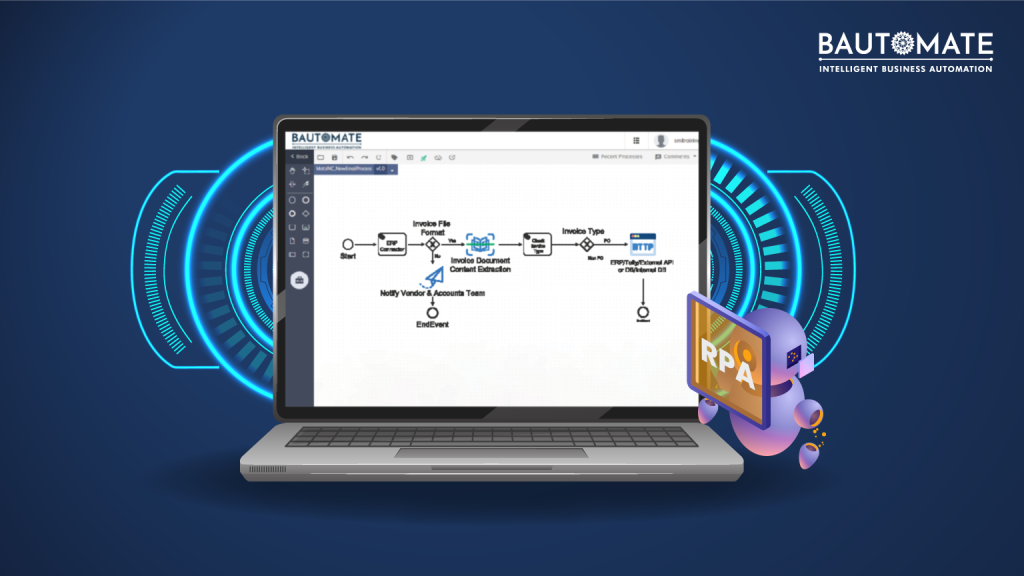
Accurate documentation is the cornerstone of successful RPA implementation. Create detailed process maps, outlining every step, decision point, and exception. Use visual tools to enhance clarity and facilitate a comprehensive understanding of the workflows targeted for automation.
5. Leverage Automation Tools:
While the focus is on RPA, the power of automation tools should not be undervalued during the process discovery stage. Organizations can expedite the manual approach to process discovery by leveraging cutting-edge tools. One such notable solution is Bautomate, an innovative platform that uses advanced algorithms and machine learning. Bautomate accelerates the identification and documentation of processes, significantly reducing the time and resources traditionally required for this crucial phase.
6. Evaluate Feasibility and Complexity:
Assess the feasibility and complexity of each identified process. Start with those that offer a balance between high ROI and manageable complexity, ensuring a smoother implementation journey.
7. Test with Pilot Projects:
Before scaling up, validate the chosen processes through pilot projects. This allows for fine-tuning, identification of potential challenges, and adjustment of the automation strategy based on real-world testing. Pilots provide valuable insights that contribute to a more successful and efficient RPA deployment.
8. Monitor and Iterate:
Automation is a dynamic process. Regularly monitor the implemented RPA solutions, gather performance data, and seek feedback from end-users. Use this information to iterate and optimize the automated processes continuously. This proactive approach ensures sustained efficiency gains and a higher overall ROI.
In conclusion, effective process discovery is the linchpin for a successful and streamlined RPA implementation. By embracing automation tools like Bautomate, organizations can not only identify the right processes but also pave the way for a more efficient and lucrative automation journey.
Striking the right balance between strategic planning, collaboration, and leveraging technology is the key to unlocking the full potential of RPA and IA. Contact our experts to get started on your automation journey!